



Removal of a tooth when it can no longer be saved or is causing harm
A dental extraction (exodontia) is the removal of a tooth from the mouth. Extractions are performed for a wide variety of reasons, including tooth decay that has destroyed enough tooth structure to prevent restoration.
- Severe decay or infection with no restorable structure remaining
- Impacted or problematic wisdom teeth
- Tooth removal to create space for orthodontic treatment
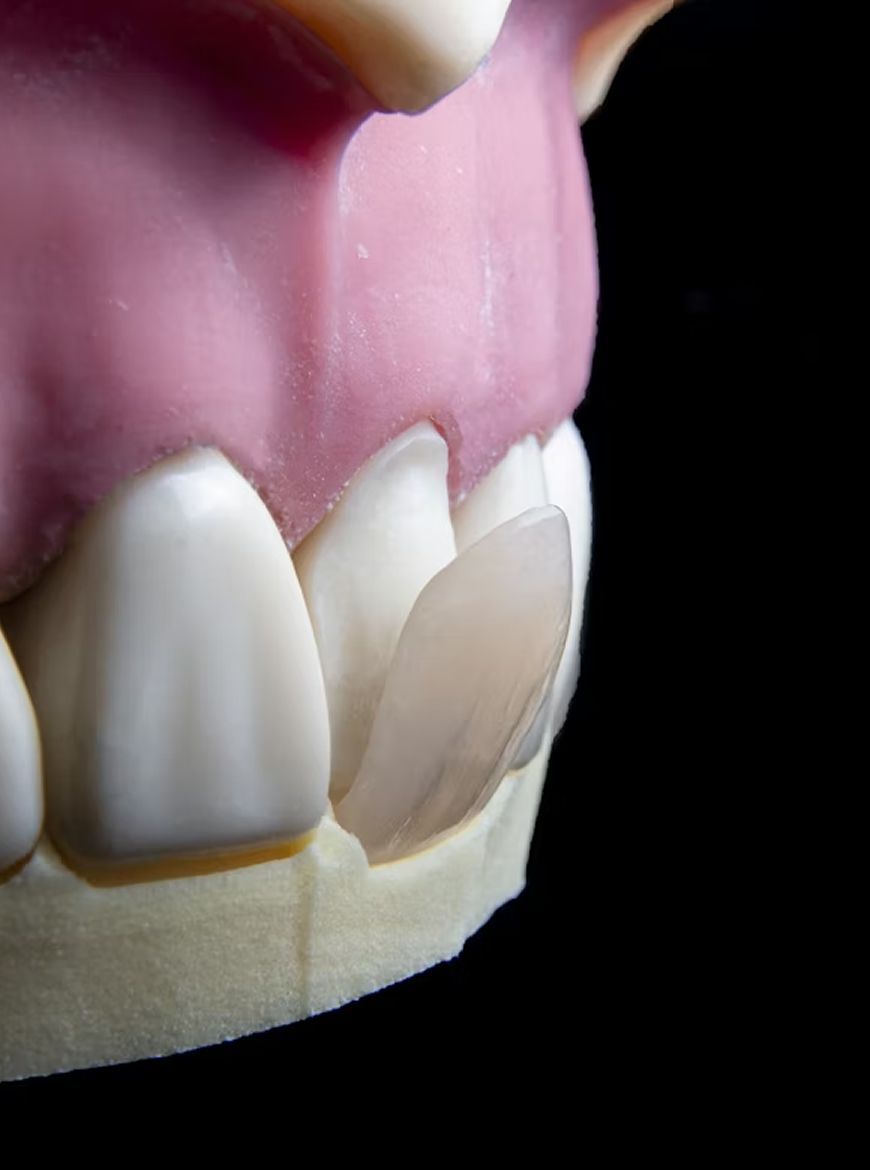

Simple and surgical — two types of extraction
Simple extractions are performed on teeth visible in the mouth under local anesthetic. The tooth is loosened with an elevator, then removed with dental forceps using slow, steady pressure.
Surgical extractions involve teeth that cannot be easily accessed — broken below the gumline or not fully erupted. An incision is made, and bone tissue may be removed to access the tooth. The tooth may be sectioned into pieces for easier removal.
Tooth extraction — your questions answered
Reasons, procedure types, and what to expect before and after.
The most common reason is tooth damage due to breakage or decay. Other reasons include: severe gum disease affecting the supporting bone; extra teeth blocking others from erupting; teeth in a fracture line; insufficient space for wisdom teeth; and teeth that must be removed in preparation for orthodontic treatment.
Simple extractions are performed on teeth visible in the mouth under local anesthetic — the tooth is loosened and removed with forceps. Surgical extractions are needed for teeth broken below the gumline or not fully erupted — requiring an incision, possible bone removal, and sometimes sectioning the tooth into pieces for easier removal.
Before extracting wisdom teeth, Dr. Patel reviews a panoramic X-ray to assess the tooth and surrounding anatomy. The procedure may involve a soft tissue flap and sutures where needed. Anesthesia options — local, IV sedation, or general — are discussed beforehand based on the complexity of the case.
Complications are uncommon but can include: infection (antibiotics may be prescribed if risk is elevated); prolonged bleeding (small amounts of blood in saliva for up to 72 hours are normal); swelling related to the extent of surgery; and dry socket — a painful condition where the blood clot is disrupted, most common after lower wisdom tooth removal. Smoking significantly increases dry socket risk.
Some swelling and mild discomfort following surgery are normal. Cold compresses help reduce swelling and prescribed medication manages pain. You may be asked to modify your diet initially, progressing to normal foods as healing allows. Dr. Patel will provide post-operative instructions and schedule a follow-up to confirm proper healing.